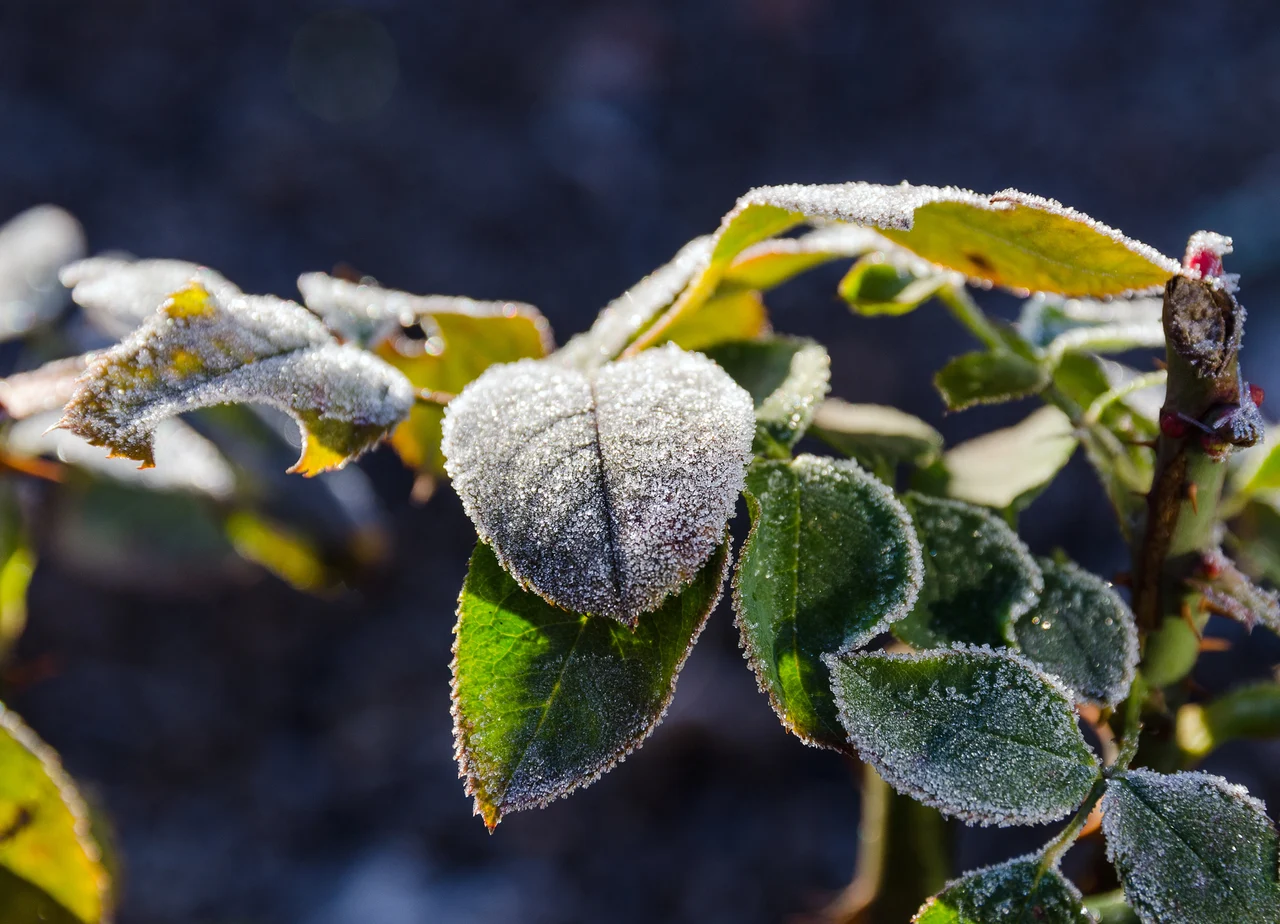
If your car windows looked frosty this morning, it wasn’t your imagination. The National Weather Service had frost advisories in effect early Monday, Nov. 9, 2026, across parts of Alabama, Georgia, Mississippi, Kentucky, Indiana, Ohio, West Virginia, Virginia and North Carolina. At the same time, flood warnings and coastal flood advisories are still active in several other parts of the country.
So what does this mean for you? Let’s take it one piece at a time.
Forecasters said clear skies would let temperatures drop into the mid-30s. Here is what the National Weather Service offices reported:
The advisories warn that frost could harm sensitive outdoor plants, and that they may be killed if left uncovered. The National Weather Service’s advice is simple: protect tender plants from the cold.
Since the advisories wrap up this morning, the biggest question now is what the night did to your garden. Take a look at your tomatoes, peppers, flowers and potted plants once the frost melts. For what comes next, check your local National Weather Service office. These advisories only cover this morning.
Commuters and parents at the bus stop can relax a little on this one. The advisories focus on plants, not roads. Still, it’s a good morning to dress the kids in layers.
If you’ve been wondering when real cold would show up, our earlier story on why cold weather has been delayed this November has more background.
This is the part that deserves more attention. Here is the rundown, region by region.
South Texas. The National Weather Service in Corpus Christi has a Flood Watch until noon CST today for a long list of counties, including Nueces, Kleberg, San Patricio, Bee, Webb and Jim Wells. Radar estimates show 4 to 8 inches of rain have fallen across the southern Rio Grande Plains and Brush Country. Creeks and streams could rise out of their banks, and low-water crossings may flood.
There is also a Flood Warning for Oso Creek near Corpus Christi, with moderate flooding forecast from Monday morning to Wednesday afternoon, Nov. 11. At that level, the Weather Service says secondary roads and low bridges near the creek flood. Along the coast, a Coastal Flood Advisory runs until 3 a.m. CST Tuesday for minor flooding of lots, parks and roads. We covered the setup in our earlier look at the South Texas road risk.
Florida. The Peace River at Arcadia, in DeSoto County, is in moderate flood. It was at 15.0 feet Sunday evening, and flood stage is 11 feet. The Weather Service says River Acres is affected. The warning runs until Friday, Nov. 13, with the river expected to fall below flood stage late Friday morning. Farther north, the St. Johns River near Sanford, in Seminole County, is forecast to reach minor flood stage early Tuesday afternoon. It is expected to keep rising to 5.9 feet by Friday morning. At 6 feet, water reaches low roads, pool enclosures and patios in the Stone Island area. For more on the state’s recent troubles, see our coverage of the flooding in Florida.
Iowa. The Iowa River at Marengo, in Benton and Iowa counties, is in minor flood. It was at 15.5 feet Sunday evening, and flood stage is 15 feet. The Weather Service expected a crest of 15.5 feet just after midnight and a fall below flood stage by late Monday evening. Mostly low-lying farmland is affected.
Arizona. A Flood Warning for the Salt River in Maricopa County runs until 11 a.m. MST today because of releases from Bartlett Dam. The Weather Service says recreation on or near the river is unsafe, mainly around and downstream of where the Verde and Salt rivers meet.
Several Weather Service offices have Coastal Flood Advisories through noon PST Tuesday, Nov. 10. High tides and big surf are the issue:
If you’re headed to the beach, stay off the jetties and rocks, and keep inexperienced swimmers out of the water. The Weather Service says waves can sweep across the shore without warning.
Turn around, don’t drown. Most flood deaths happen in vehicles, and the Weather Service says never to drive around barricades or through water of unknown depth. If you live near a river or creek in any of these areas, know where you are compared with the water.
These alerts can change quickly, especially the flood warnings. Look up your local National Weather Service office at weather.gov and check it before you head out. We’ll keep following these stories here on MundoNow.