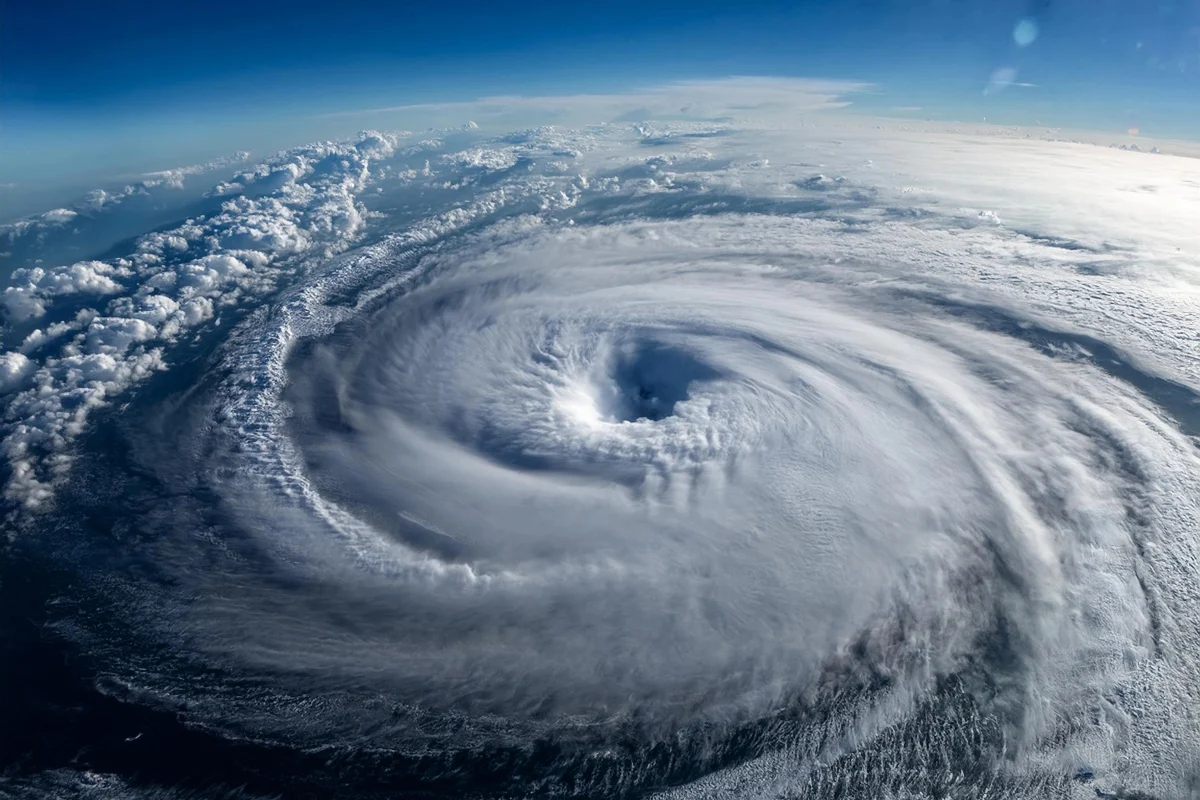
AccuWeather considers the relevant tropical activity in the Atlantic for the United States to be concluded, about three weeks before the official end of the season, scheduled for November 30.
Alex DaSilva, the company's chief hurricane expert, maintains that current patterns allow for the prediction that the country will avoid new direct tropical impacts this year.
The specialist acknowledges that tropical storms can still form. His assessment describes a reduction in risk, not a change in the official calendar.
The season accumulated ten named storms and only one hurricane, Isaias, which hit northwest Florida in October and left significant losses.
The early strengthening of El Niño was decisive, according to AccuWeather, as it increased wind shear over the Atlantic and hindered the development of cyclones.
This change in winds can disorganize forming storms and even prevent them from consolidating, reducing the opportunities for intensification.
In March, the company expected between 11 and 16 named storms. In August, it reduced the range to between eight and eleven, and adjusted it again in September.
The balance of ten systems was the lowest since 2014. Additionally, according to the report, there had not been a season with only one hurricane since 1925.
Isaias reached hurricane category on October 8, ending a wait that broke the 121-year record for the latest first Atlantic hurricane.
The system found favorable conditions in the Gulf and rapidly strengthened to category 3, with maximum sustained winds of 193 kilometers per hour.
On October 9, it made landfall near Destin, Florida, as a category 2 hurricane. Mandatory evacuations were ordered in Okaloosa County.
AccuWeather preliminarily estimated damages and economic losses of between $16 billion and $20 billion. The report also attributes up to eight deaths to indirect effects.
Arthur initiated activity in mid-June by approaching the Matagorda Bay, Texas, and causing flooding on the Gulf Coast.
In July, Bertha affected Louisiana and Texas. Later, Edouard generated flash flood emergencies and almost 50 centimeters of rain near Kountze.
Isaias also contributed to more than 20 tornadoes and later affected Georgia and the Carolinas, extending its consequences beyond Florida.
YOU MAY BE INTERESTED IN: First frosts threaten the southeastern United States: the cold could end summer orchards
Josephine, formed as a subtropical storm on October 21, was the tenth named system and later grazed the Canadian Atlantic coast.
While El Niño slowed the Atlantic, it favored intense activity in the eastern Pacific, according to the explanation included in the report.
As of November 3, the central and eastern Pacific basins had accumulated 24 named storms, including 13 hurricanes.
Rachel brought rain and waves to southern California; Polo and Simon affected Mexico and sent tropical humidity to the southwestern United States.
Both seasons officially end on November 30. Readers can distinguish this deadline from the lower risk forecast issued by AccuWeather.
SOURCE: accuweather
FORMAT: Photos DepositPhotos