The Trump administration outlined its roadmap for Venezuela 2027 elections on Monday, October 26, 2026. The plan calls for judicial and electoral reforms before interim President Delcy Rodríguez declares the presidency permanently vacant, triggering a six-month constitutional deadline for holding elections in Venezuela, potentially in 2027. A senior State Department official explained the proposal, according to EFE.
Why it matters: Political developments in Venezuela affect the Venezuelan community in the United States, as decisions involving Temporary Protected Status (TPS) and deportations are influenced by conditions in the country. The transition could also affect the oil market. A clear election timetable would provide greater insight into the direction of Venezuela's political transition.
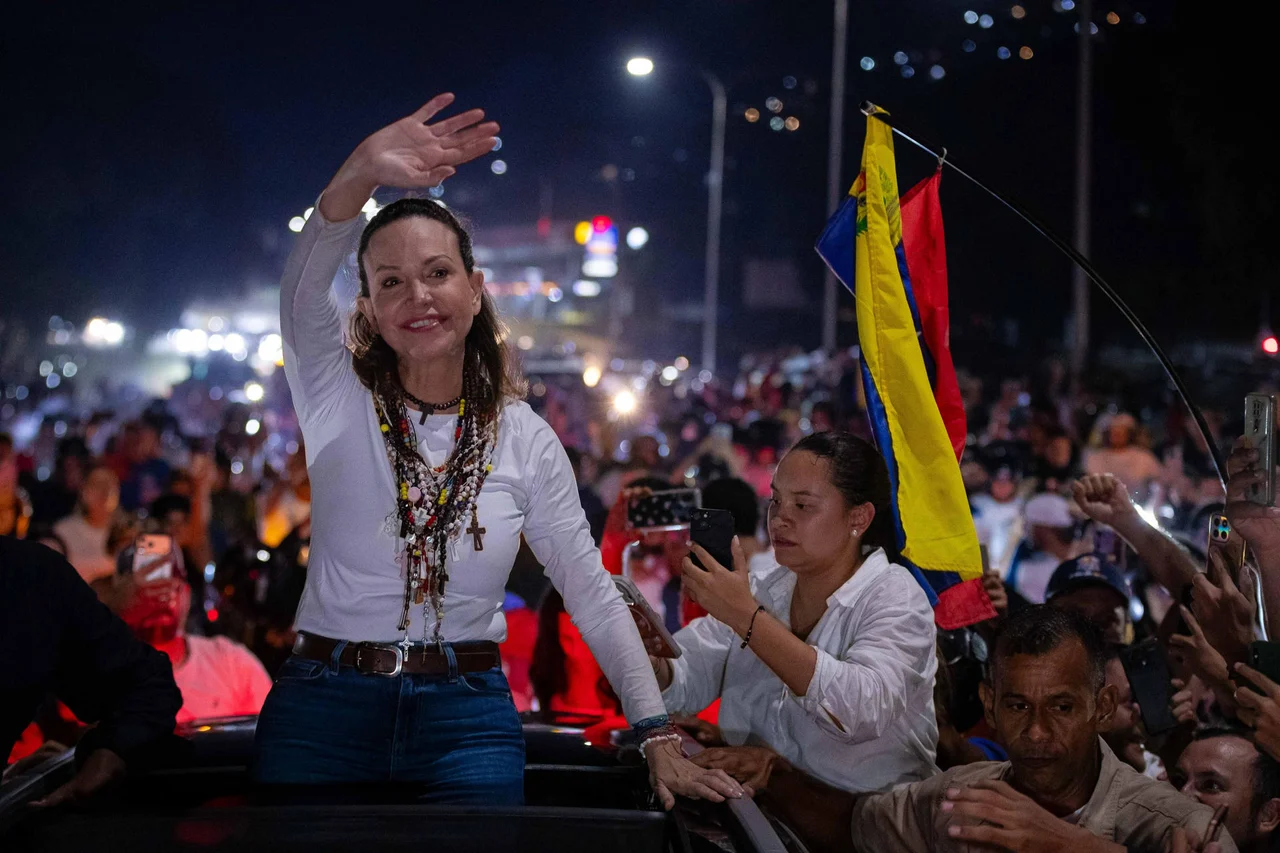
The announcement comes one day after Machado returned to Venezuela following nearly a year abroad. The proposed roadmap is part of negotiations Washington has facilitated since August between the Chavista government and an opposition bloc led by Dinorah Figuera.
Representatives of the opposition linked to the National Assembly elected in 2015 and members of the ruling party have appointed a commission to propose 32 new TSJ magistrates, primarily law professors and legal experts. The current National Assembly, headed by Jorge Rodríguez, Delcy Rodríguez's brother, must approve the appointments. Washington expects the restructured Supreme Court to be operational by mid-December.
The US official described the TSJ as Venezuela's most powerful institution and an instrument of Nicolás Maduro's government before his capture by US forces in January. According to the official, reforming the court is essential to prevent it from overturning election results.
Negotiations to restructure the National Electoral Council (CNE) are taking place alongside the Supreme Court reform, with the new electoral body expected to be established shortly afterward. Under the US proposal, the CNE would function as a technical institution responsible for organizing elections and announcing results, without the authority to determine which political parties or candidates can participate. Washington argues that this authority enabled Machado's disqualification in 2024.
Members of the new Electoral Council would be nominated by a committee of experts without requiring parliamentary approval. According to Reuters, cited by El Nacional, Rubio insists that the CNE must be restructured before a presidential election calendar is established.
Once both institutions have been restructured, Washington expects Delcy Rodríguez to declare the presidency permanently vacant. This would trigger a six-month constitutional period for holding presidential elections, the first since July 2024, when the CNE declared Maduro the winner despite allegations of electoral fraud by the opposition.
The US official also emphasized the need to ensure that political parties can campaign freely, candidates can travel without restrictions, and opposition groups have access to traditional media and social networks. He defended the participation of Chavismo in the transition, citing democratic transitions in Spain and Portugal. The official attributed the main delay in the roadmap to an earthquake that required approximately eight weeks of humanitarian response efforts.
Rubio said Washington is evaluating Rodríguez based on her actions and that Venezuela's interim authorities have so far fulfilled their commitments, including political and economic reforms. He emphasized that the United States maintains leverage through sanctions and economic licenses, warning of consequences if the authorities attempt to undermine the transition. Rubio also denied that immunity had been offered to Delcy Rodríguez, her brother Jorge, or other members of the interim government.
Regarding Machado's return to Venezuela, Rubio denied that the United States had obstructed her return. He said he had personally advised her against returning immediately after the earthquake. Machado, a Nobel Peace Prize laureate, left Venezuela in December 2025 after spending more than a year in hiding. She has criticized the oil agreement promoted by Washington and supports holding presidential elections in 2027, in which she hopes to run. Rubio maintained that these disagreements are separate from the democratic transition process and invited her to join the negotiations.
The first major milestone will be the National Assembly's approval of the 32 Supreme Court magistrates, with Washington aiming to have the restructured TSJ operational by mid-December. The new Electoral Council would follow, after which Rodríguez is expected to declare the presidency vacant. It also remains uncertain whether Machado will join the negotiations and what election timetable the new CNE will establish.
Sources: EFE, via Swissinfo; El Diario; Clarín; El Nacional (Reuters). Data consulted on October 27, 2026.
Main photo: EFE/Ronald Peña R.