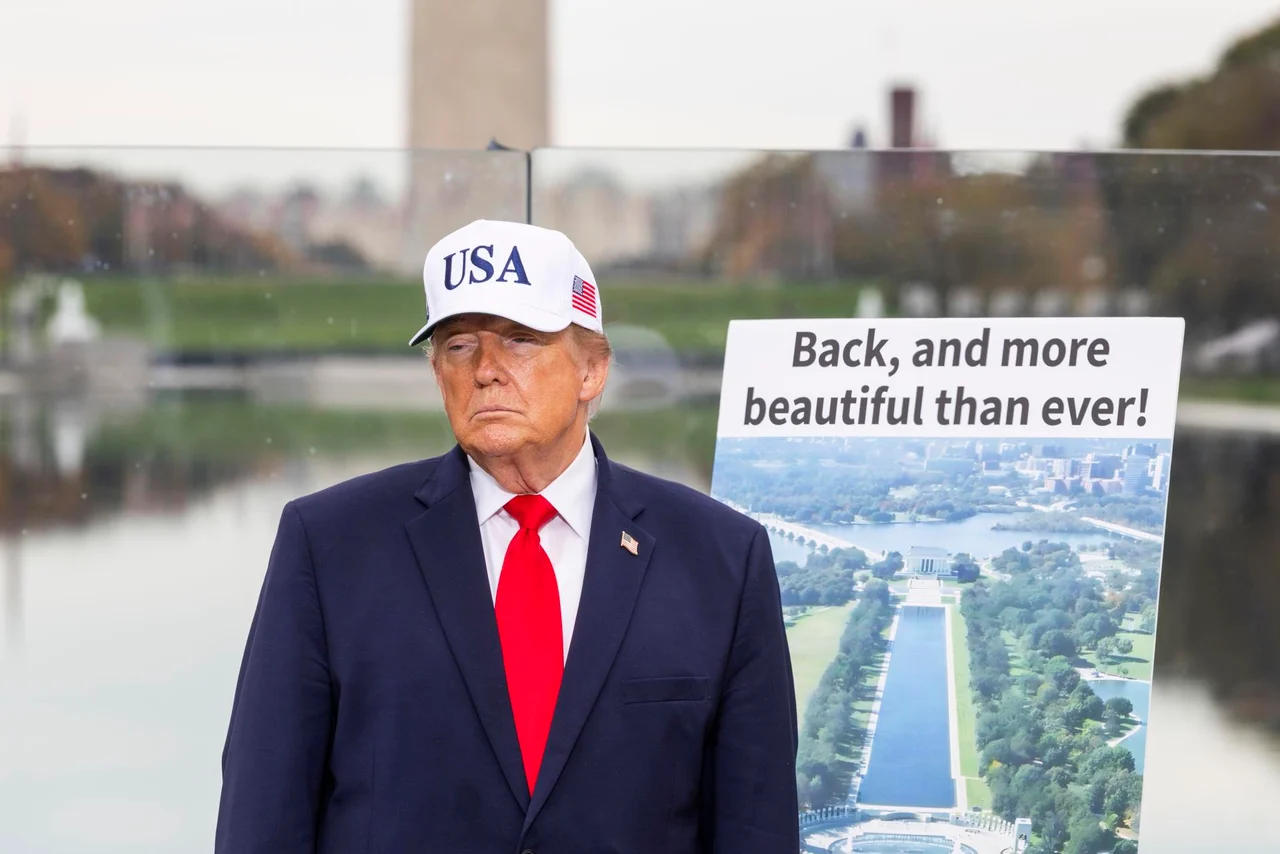
President Donald Trump claimed on Monday, November 2, 2026, that the United States has «total control» of Venezuela oil during a phone interview with Fox News host Sean Hannity. He also asserted that the two countries together possess more than 50% of the world's oil. However, figures from the Organization of the Petroleum Exporting Countries (OPEC) put their combined share of global proven crude oil reserves at approximately 22%.
Why it matters: Trump's statements came just hours before the November 3 midterm elections, with gasoline prices among voters' leading economic concerns. The figures surrounding Venezuelan oil reserves are central to the debate over US energy policy and Washington's role in Venezuela.
During his interview with Sean Hannity on Fox News, Trump stated: «We have total control of Venezuela. We've put our people there. We have a lot of oil.» He also asserted: «Now we have more than Saudi Arabia, Russia, and the next largest country combined,» according to reporting by EFE.
During the same interview, Trump claimed that the war with Venezuela had lasted «less than a day,» that «hundreds of billions of dollars» were flowing into the United States, and that relations with Venezuela were going well. EFE noted that he provided no evidence supporting those claims. The reports reviewed did not include a response from the Venezuelan government.
OPEC's Annual Statistical Bulletin 2025, using data from 2024, estimates global proven crude oil reserves at approximately 1.57 trillion barrels. Venezuela holds the world's largest proven crude oil reserves.
Based on these figures, Venezuela and the United States together account for approximately 22% of global proven crude oil reserves, far below Trump's claim of more than 50%. Saudi Arabia, Iran, and Russia combined hold approximately 555.6 billion barrels.
Two distinctions are important. Having development rights to oil fields containing 65 billion barrels does not mean owning all of Venezuela's reserves. Furthermore, much of Venezuela's crude is heavy oil, which is generally more expensive and technically challenging to extract and process.
A US military operation on January 3, 2026, removed Nicolás Maduro from power, and Venezuela is now governed by a caretaker administration led by Delcy Rodríguez. According to reports by El Diario and Holland & Knight, Trump announced what he described as the largest oil agreement in history in late August. The arrangement involves US participation in developing 17 oil fields in the Orinoco Belt and Lake Maracaibo.
According to public announcements and press reports, the arrangement involves North American Blue Energy Partners (NABEP), a private oil company. The US government would hold a 35% stake in the company and receive preferential access to at least 20% of its oil production at extraction cost.
The parties have presented differing accounts of the agreement's duration. Rodríguez has described a 25-year term under Venezuelan law, while Trump administration statements refer to 100-year concessions. Chevron, Eni, Repsol, and Maurel & Prom also operate in Venezuela. A third round of political dialogue began on October 14, 2026, without a date set for the presidential election; here we explain the US roadmap for elections in Venezuela.
According to EFE, an October survey by the Pew Research Center found that 74% of Americans were very concerned about gasoline and energy prices, compared with 43% in January.
The national average price of regular gasoline rose from $2.98 to $4.25 per gallon, an increase of 42.4%, according to Brown University figures based on American Automobile Association (AAA) data.
Sources: EFE via Prensa Libre; Fox News (transcript); El Diario; OPEC, Annual Statistical Bulletin. Data consulted on November 3, 2026.