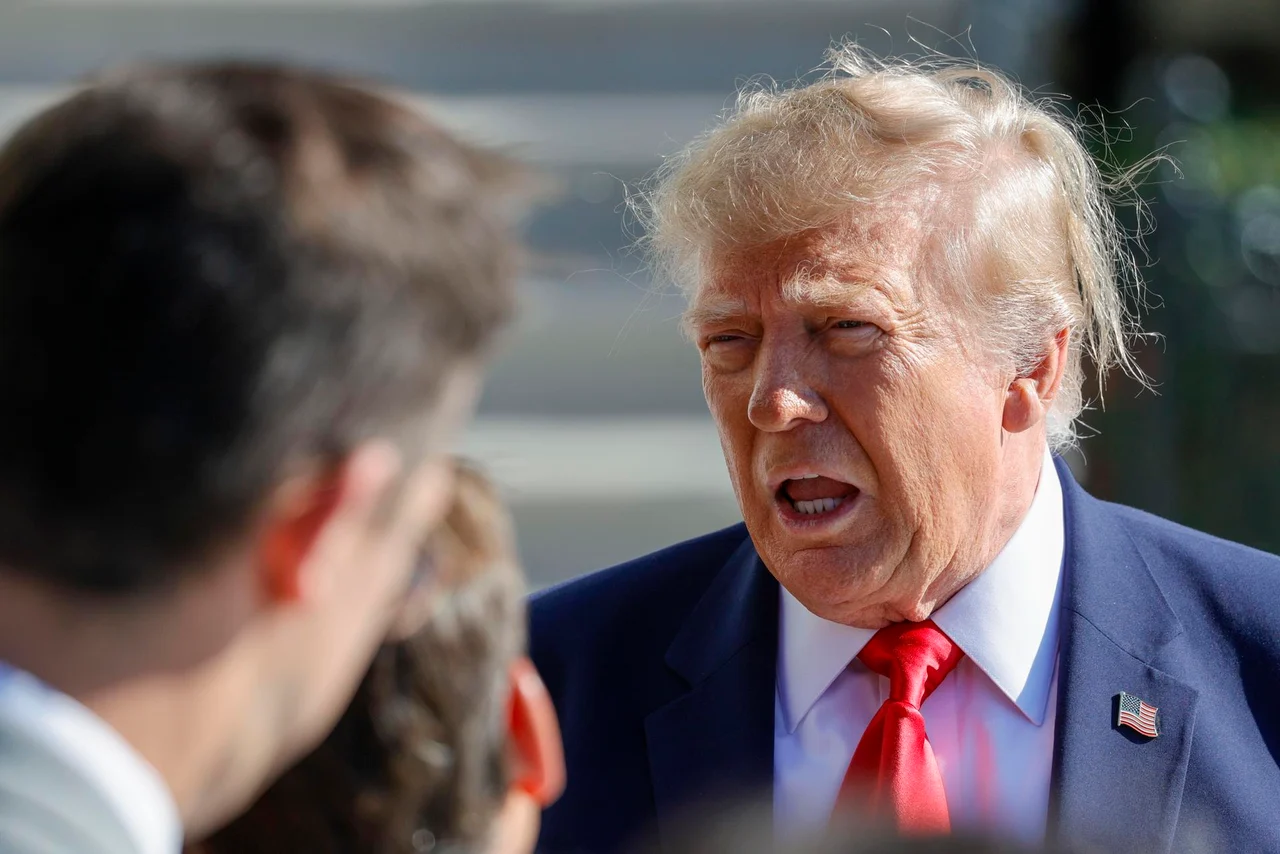
President Donald Trump signed a proclamation on Friday, October 23, 2026, reordering the tariffs on Canada of 50%, removing some products from the list and adding others, without changing the overall impact, according to a U.S. official quoted by the press.
The significance of this adjustment lies in its redistribution of the financial burden; it alters who pays more and who receives relief without changing the overall tariff weight. Additionally, this adjustment benefits Republican Senator Susan Collins, who is among the lawmakers most vulnerable to losing her seat. Therefore, this measure carries both political and economic implications.
The proclamation was issued under Section 338 of the Tariff Act of 1930 and modifies Proclamation 11048, which set an additional 50% tariff on certain Canadian products. That rule was announced on July 20, 2026, and was modified on September 8, 2026. These tariffs apply even if the product complies with the rules of the USMCA and are in addition to those under Section 232.
The arrangement of the rows does not imply that one product replaces another in particular.
White House spokesman Matthew Middleton said the president is acting «in response to Canada's continued discrimination and additional retaliation against U.S. trade, to protect U.S. farmers, manufacturers, and workers.»
According to the White House, Canada withdrew from a nearly finalized trade agreement this summer and imposed retaliatory tariffs on about $20 billion in U.S. exports. Negotiations have been stalled since they failed in August. Last month, Trump had already exempted road salt after a request from Collins, and Canada excluded seafood products from its retaliation.
For comparison, you can see how Mexico resists tariffs and how the blow from tariffs is distributed in Latin America.
Collins announced on Friday that the exemptions cover certain paper, plastic, machinery, and seaweed products and help Maine's rural and coastal economy, with its blueberries, potatoes, apples, and seaweed. She said: «Many of our farmers and producers depend on specialized equipment, packaging materials, and other products from Canada that are not available through U.S. suppliers or cannot be replaced without incurring significant costs.» Her office noted that she pressured the Trade Representative, Jamieson Greer, and the Commerce Secretary, Howard Lutnick.
Her Democratic rival, Troy Jackson, sees it differently. He claimed that Collins «wants to take credit for bringing a glass of water to put out the fire» and added: «We deserve a senator who stands up to Trump, not one who approves his agenda without question.» In a debate, he had already told her that Maine voters «can't eat road salt,» alluding to the previous exemption.
The dispute has also affected Canadian tourism in Maine, in destinations like Bar Harbor and Ogunquit. Collins is seeking re-election on November 3, 2026.
If you are a consumer or the owner of a small business that imports, the prices of Canadian products on the new list may rise, while those on the list that are removed may be relieved. The effect will depend on each supplier and how much they pass on to the final price.
Sources: White House, proclamation; White House, fact sheet; El Financiero. Data consulted on October 24, 2026.