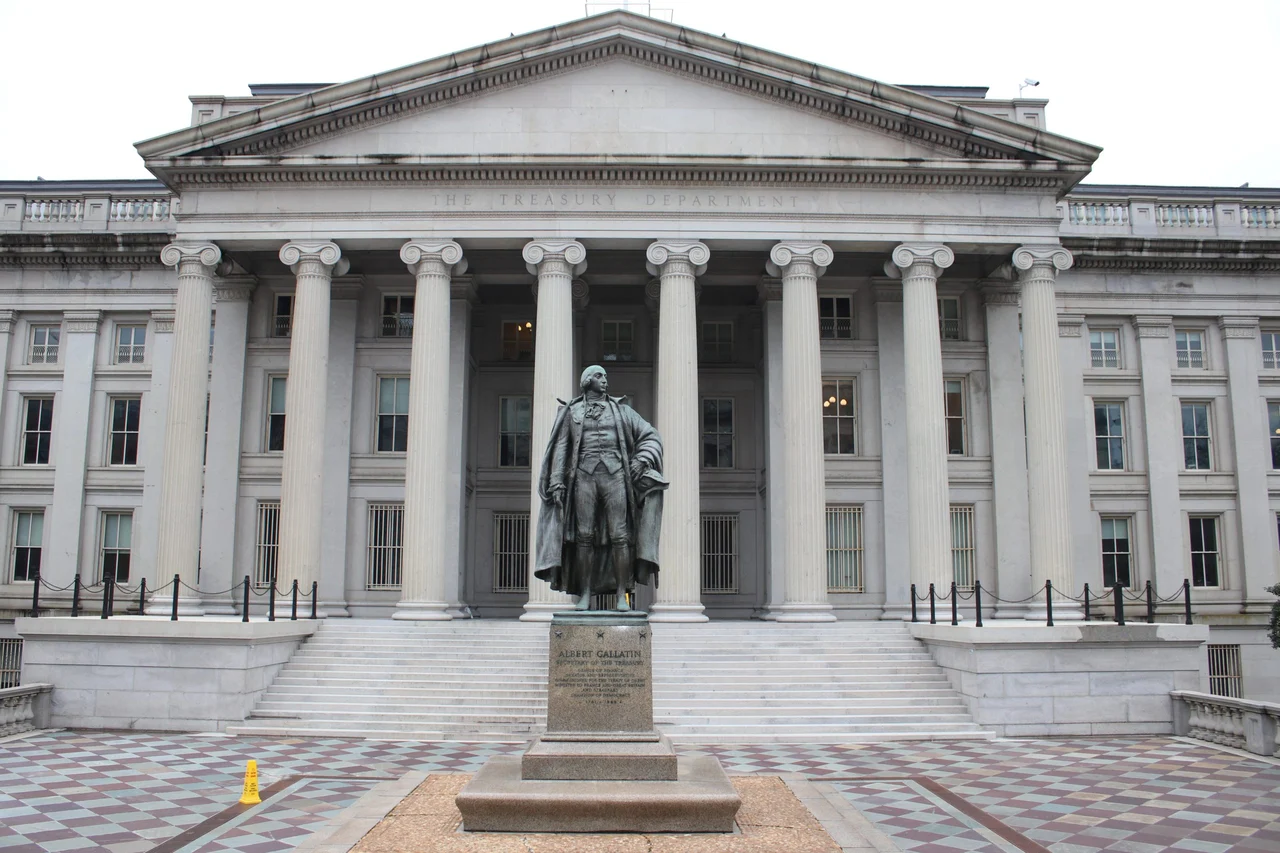
The Financial Crimes Enforcement Network (FinCEN) of the Treasury Department identified approximately $270 million in potentially suspicious financial activity linked to student aid fraud, according to an October 19, 2026 statement. FinCEN referred the findings to federal investigators.
Why it matters: victims, including minors, often don't know someone received student aid in their name. If they're identity theft victims, they may be left responsible for debts they never incurred. The fraud also depletes scholarship funds for legitimate students and can take away their spot in crowded classes filled with false enrollees.
In a July 2026 alert, FinCEN asked banks to report suspicious activity. Schools or their payment contractors usually send aid refunds via bank transfer, and the payment description often includes the word «refund» with the school's name or initials. Scammers move the stolen money through «money mules,» shell companies, and fake accounts.
Since the alert, banks have filed nearly 100 reports of suspicious activity. FinCEN's review identified over 20,000 potentially suspicious transactions since February 2026. The Treasury clarifies that these reports don't represent the full scope of the problem. Education Secretary Linda McMahon said a new fraud detection tool was introduced in the FAFSA this year that stops it at the beginning of the process.
If you suspect your student information was stolen, act quickly and contact:
If it's fraud involving a school with federal aid, such as Pell Grants or Direct Loans, you can make a confidential report to the OIG's fraud hotline.
Sources: US Department of the Treasury and Federal Student Aid.