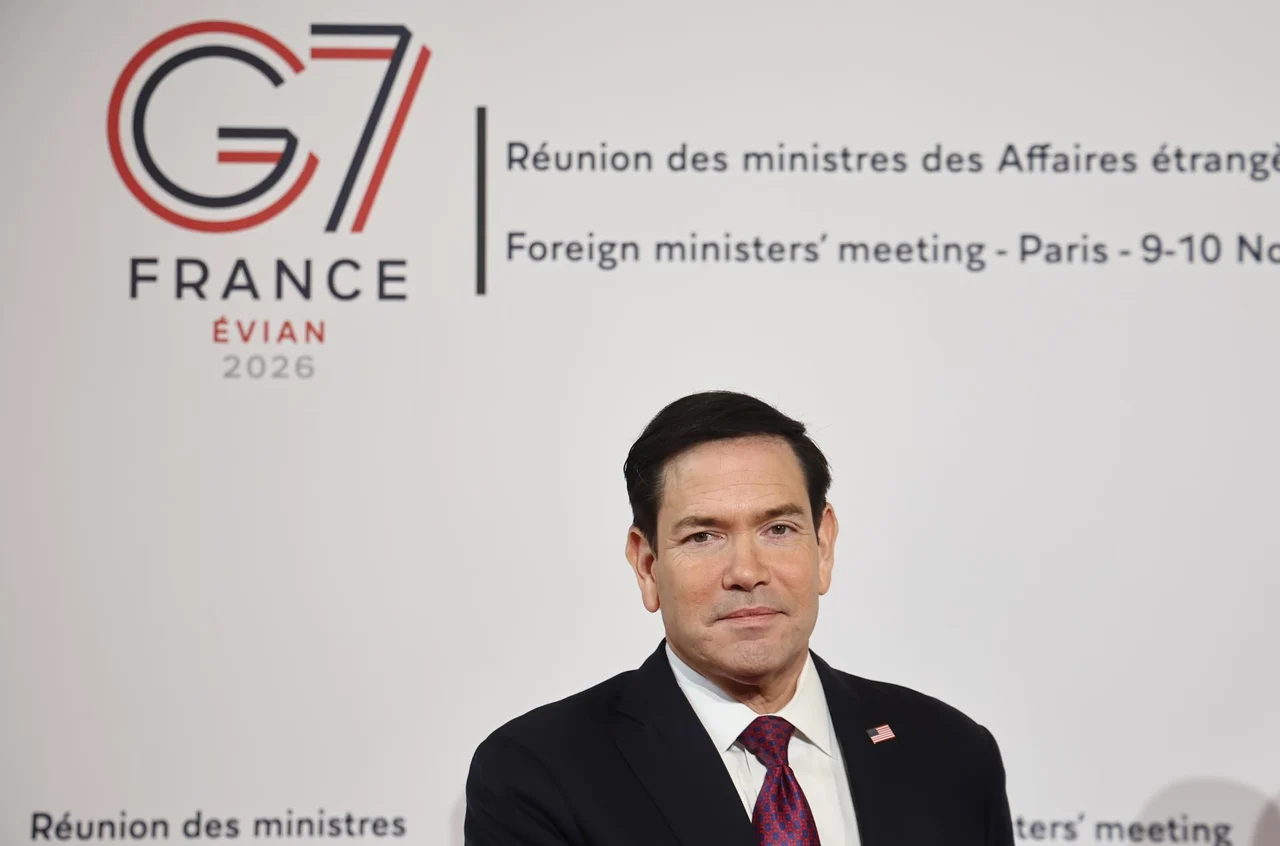
Marco Rubio issues a warning. U.S. Secretary of State Marco Rubio said that Donald Trump will continue to direct American foreign policy despite the Republican defeat in the midterm elections, which left Congress under Democratic control.
During a press conference in Paris, where he took part in a G7 meeting, Rubio made it clear that the election result will not change the president’s central role in international decisions.
According to the news agency EFE, the official acknowledged Congress’s powers but insisted that the White House will continue to set the country’s diplomatic course.
“Congress has a role to play in our foreign policy, especially with regard to its funding and its oversight function,” Rubio said.
However, he added that “the main factor that determines U.S. foreign policy has always been and will continue to be the president.”
The secretary of State recalled his experience on the Senate Foreign Relations Committee, where he tried to influence international decisions during Democratic administrations.
He explained that he was also reminded back then that the conduct of foreign policy belonged primarily to the president, an argument he is now using to defend Trump.
Rubio also backed Defense Secretary Pete Hegseth against the impeachment initiative promoted by Republican Rep. Thomas Massie.
The proposal is related to Hegseth’s role in the unpopular Iran war, according to the EFE dispatch.
“I think it’s unfair. I think Pete has done a good job, I really believe that,” Rubio said, highlighting his experience working directly with the official.
The top U.S. diplomat also described him as a hardworking and intelligent person, saying he knows aspects of his performance that are not visible to lawmakers and the media.
In another statement reported by EFE, Rubio addressed the political situation in Venezuela and welcomed that opposition leader María Corina Machado remains in the country without having been arrested.
“I think it has been very good that María Corina and other members of the opposition have been in the country for more than two weeks,” he said.
The official noted that opposition members have been able to hold press conferences and use the internet since Machado’s return to Venezuela on October 25.
Rubio recalled that the road map agreed upon by Washington, Chavismo and opposition sectors calls for establishing a renewed Supreme Court in mid-December.
Afterward, the creation of a new electoral council is expected. Once both institutions are functioning, interim President Delcy Rodríguez would be expected to declare the presidency vacant.
That procedure would open a six-month window to hold elections, according to the plan explained by the secretary of State.
Rubio warned that fundamental issues still need to be resolved to guarantee electoral participation for the more than seven million Venezuelans who live outside their country.
Among the obstacles, he cited the absence of open Venezuelan consulates in the United States, which are needed to make it easier for residents on U.S. soil to vote.
“We need open consulates in the United States so that those who are in the United States can vote,” he said.
As Washington pushes forward with negotiations on Venezuela, Rubio insists that Trump will keep leading U.S. foreign policy, regardless of the new makeup of Congress.