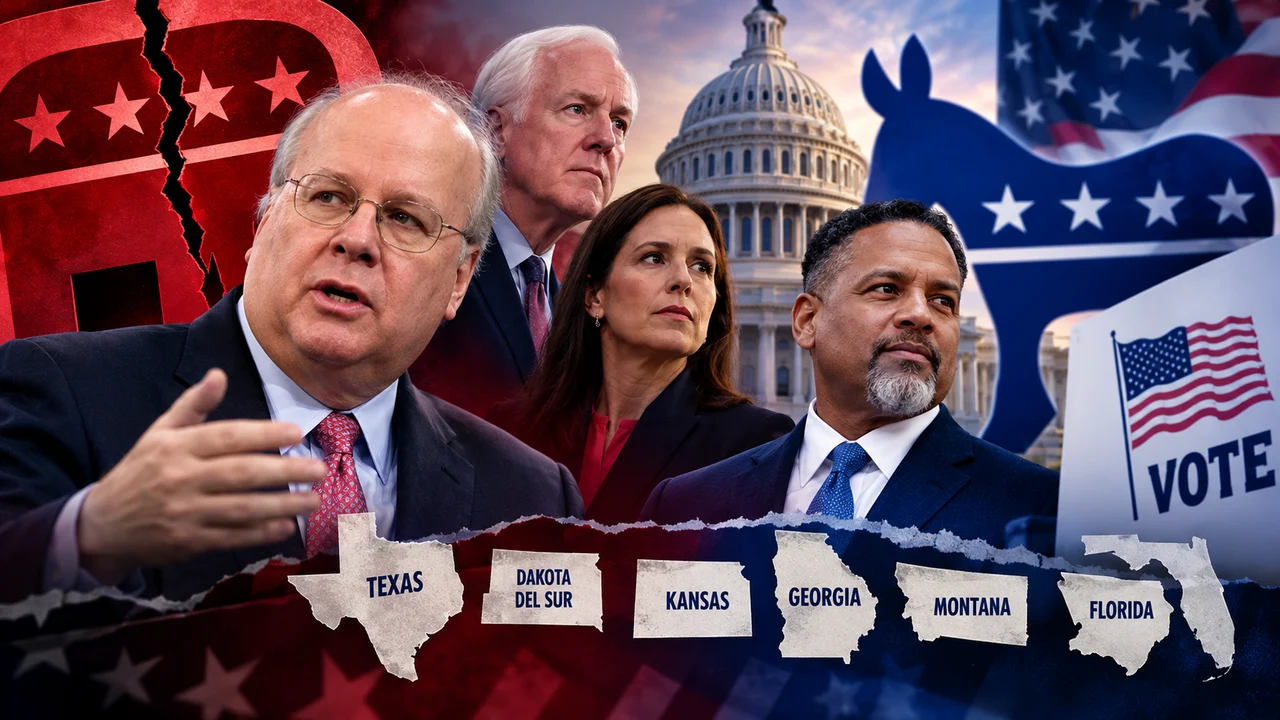
Ahead of the 2026 midterm elections, several prominent Republicans are crossing party lines to endorse Democratic candidates in traditionally Republican states. These endorsements highlight disagreements within the GOP over specific candidates and could influence how some moderate and independent voters evaluate their options, including members of Latino communities.
Source: Newsweek, «List of Republicans Endorsing or Voting for Democrats in Red States»
The cross-party endorsements reflect disagreements over individual candidates, including concerns about their public statements, qualifications and political positions. However, they do not necessarily indicate a broader shift in Republican voter preferences.
In Texas, Bo French, the Republican nominee for the Texas Railroad Commission, faced criticism after posting remarks about South Asian students at the University of Texas at Austin. Karl Rove described French as a «bigot» and announced that he would support Democrat Jon Rosenthal instead. Cornyn also condemned French's comments, calling him an embarrassment to the Republican Party.
These disagreements may affect how voters assess individual candidates, particularly in races where personal qualifications and political conduct are important considerations.
Support from prominent Republicans could give Democratic candidates greater visibility among moderate and independent voters, although the actual electoral impact of these endorsements remains uncertain.
Hispanics account for approximately 40% of Texas' population, making the community an important part of the state's political and demographic landscape. Latino voters, like other demographic groups, hold diverse political preferences and may consider candidates' positions and qualifications alongside party affiliation.
Public criticism of discriminatory remarks can bring issues involving representation, immigration and equal treatment into electoral discussions. However, these cross-party endorsements do not necessarily reflect the views of Latino voters as a whole.
The endorsements may also encourage broader conversations about candidates and policies among voters with different political affiliations, including members of families whose political preferences vary.
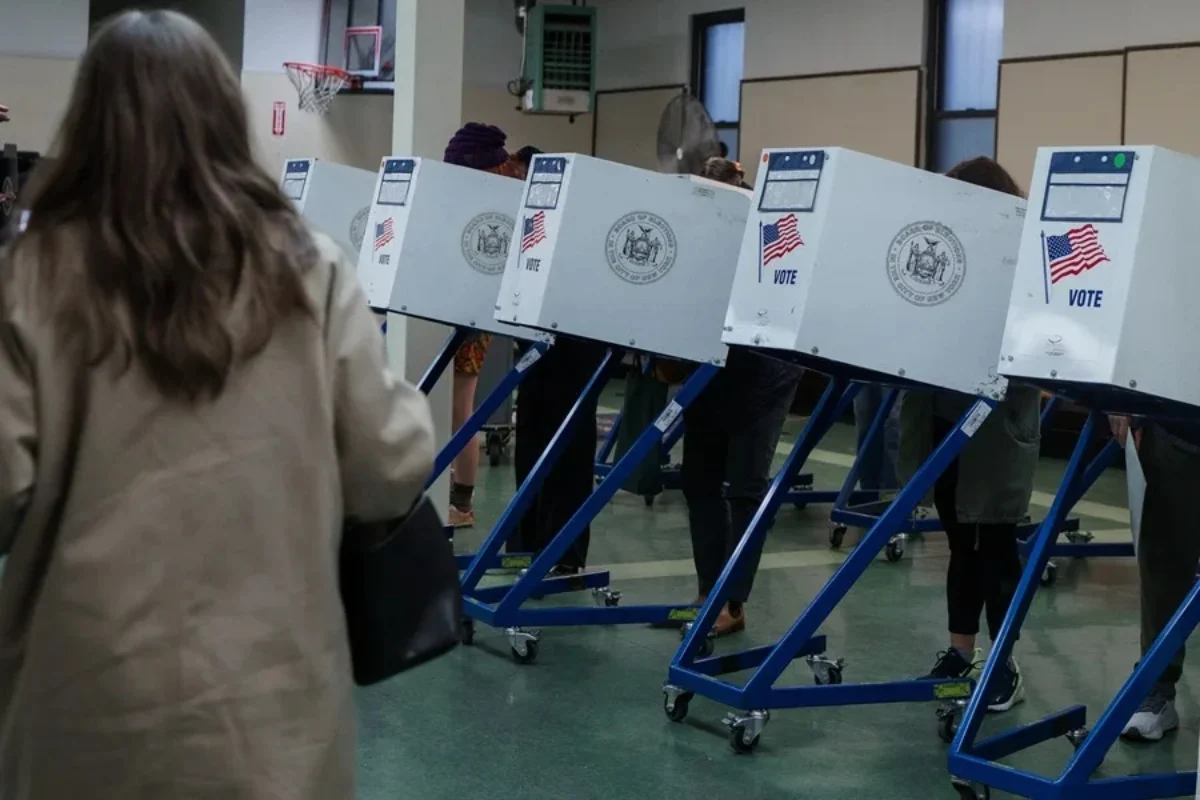
The November 3 elections will reveal whether these endorsements coincide with changes in voter support or election results in the affected states. However, the outcomes alone will not establish how much influence any individual endorsement had. Early voting began October 19 in Texas, and voters can review the candidates and their positions before Election Day.