President Trump announced the «No Invasion of Our Country Act» in Dallas, a proposal to turn border restrictions into federal law, although neither Congress nor the courts could be permanently bound by it.
Donald Trump announced an initiative intended to prevent future presidents from “reopening the border,” presenting the proposal ahead of the November midterm elections.
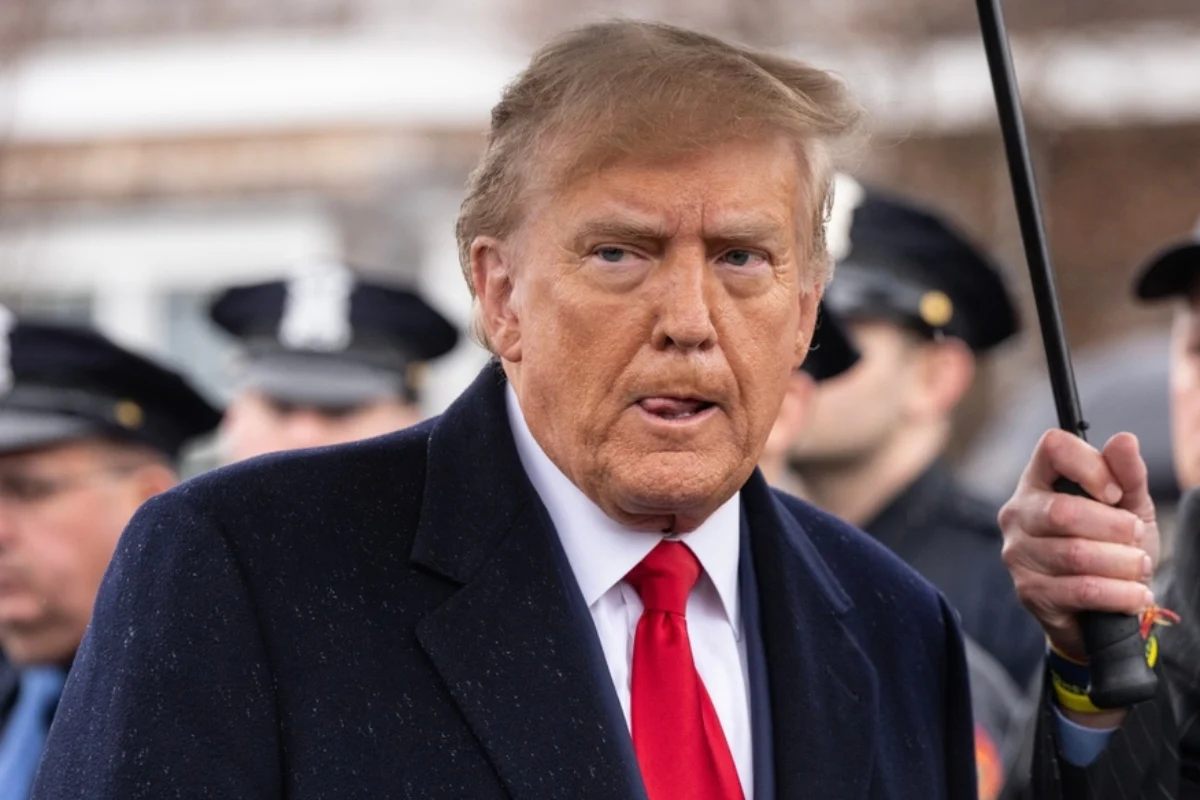
Trump Proposes “No Invasion of Our Country Act” to Preserve Border Restrictions – PHOTO: AI-recreated reference image During the Republican midterm convention in Dallas, Trump called his proposal the “No Invasion of Our Country Act” and promised to limit future presidents’ ability to change his border strategy.
“We will make it legally impossible for any future president to destroy our country by having the right to reopen the border again,” Trump said, according to the New York Post.
However, the legislative text specifying which policies would be included, how they would be enforced, and which presidential powers the measure would attempt to restrict has not yet been made public.
The primary difference lies in how a policy is established. An executive order can be modified by another administration, within the limits of presidential authority and existing law.
A law passed by Congress and signed by the president would be more resistant to changes made solely through executive action.
This does not mean Trump could permanently prevent a future administration from changing border policy. A future Congress could pass another law modifying or repealing the previous provisions.
Furthermore, any new law or executive action could face a legal challenge. Federal courts have the authority to review the constitutionality of laws and government actions when an appropriate case comes before them.
The announcement has a specific precedent: the Permanent Trump Secure Border Act, introduced by Republican Representative Chip Roy and currently designated H.R. 9773.
The proposal includes changes to asylum and border protection. The House Judiciary Committee voted 16-14 on July 21 to advance it.
The bill seeks to place several Republican immigration priorities into federal law, reducing reliance on administrative measures that a future White House could attempt to modify.
Trump presented the new initiative while seeking to preserve Republican majorities in Congress and continue advancing his agenda during the final two years of his term.
The announcement places the border back at the center of the electoral battle: Control of Congress will also determine which immigration bills can advance after November.
The next step will be to see whether the White House and congressional Republicans formally introduce the “No Invasion of Our Country Act,” what measures it contains, and whether there is enough time and political support to bring it to a vote.
Trump’s proposal aims to ensure that his border policies survive future changes in the White House.
Turning those policies into law, however, would not make them permanent: A future Congress could amend or repeal them, and the courts could review their legality.
For now, the key questions are what the proposal’s text will contain and whether it can advance through Congress before the November elections.
You May Be Interested In: Trump Texas Convention: 6 Phrases That Ignited the Midterm Campaign
SOURCE: The New York Post / FOX News