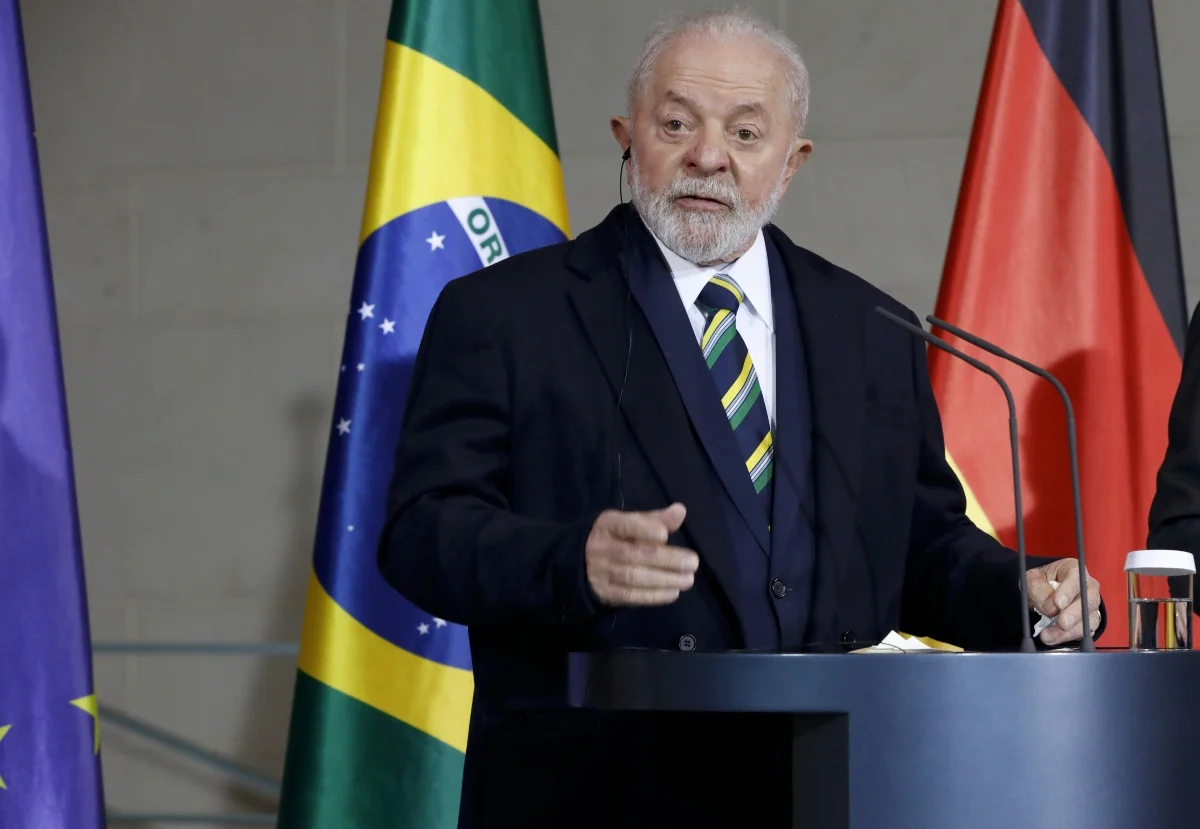
Meta temporarily disabled the account used by Brazilian President Luiz Inácio Lula da Silva's campaign to purchase ads on Facebook, just days before the general election.
Filing the appeal, the campaign claimed that the restriction was imposed without a clear explanation of what content or behavior may have violated the platform's rules.
The incident is noteworthy because of the upcoming election: Brazil will hold the first round of the presidential election on October 4, when over 155 million Brazilians are expected to vote.
The ad account was later normalized, according to Agência Brasil, but Lula's team maintains its complaint to learn the reasons and consequences of the interruption.
A post shared by El Grito del Sur (@elgritodelsur)
The Workers' Party claims that Meta suddenly suspended the campaign's ad account without initially offering a concrete explanation.
Éden Valadares, the PT's Communications Secretary, said they are seeking to know how long the restriction lasted and what impact it had during the electoral campaign.
The party is evaluating taking the case to the Superior Electoral Court if it considers Meta's explanations insufficient, according to Valadares' public statements.
The campaign linked the incident to its allegations of possible external interference, although there is no public evidence to demonstrate an electoral motivation by Meta.
THE USA, TRUMP, AND MARCO RUBIO ARE ALREADY INTERFERING IN THE BRAZILIAN ELECTIONS. FACEBOOK, OWNED BY META, BLOCKS LULA'S ACCOUNT FOR ADS, CAUSING DAMAGE TO THE CAMPAIGN. pic.twitter.com/VHZSqIEiyz
— Conrado Matos – Psychanalyst, Poet, and Writer. (@ConradoM3) September 25, 2026
The controversy follows Amnesty International's independent investigation into Facebook's electoral advertising controls ahead of the Brazilian elections.
The organization presented 15 fictional ads in Portuguese, 14 with disinformation and one neutral, to test how Meta's review mechanisms worked.
According to Amnesty, eight ads were accepted, and another seven were subject to identity verification, despite the test content including false electoral claims. The investigators canceled the ads before they were published.
Amnesty reported that it wrote to Meta on July 21 to request an explanation of its moderation systems. The organization published the results on August 25.
The two incidents raise different questions: Lula's campaign complains about a temporary restriction, while Amnesty questions Facebook's ability to detect certain ads with electoral disinformation.
The first round on October 4 will elect the president, governors, senators, and deputies; a potential second round of the presidential election is scheduled for October 25.
Digital advertising also has significant economic weight: Meta appears among the main providers contracted during the 2026 Brazilian electoral campaign.
As the vote approaches, Meta's pending response will be crucial to clarifying why the restriction occurred and whether it was due to an ordinary application of its policies or another technical or compliance issue.
Sources: Parabolica,