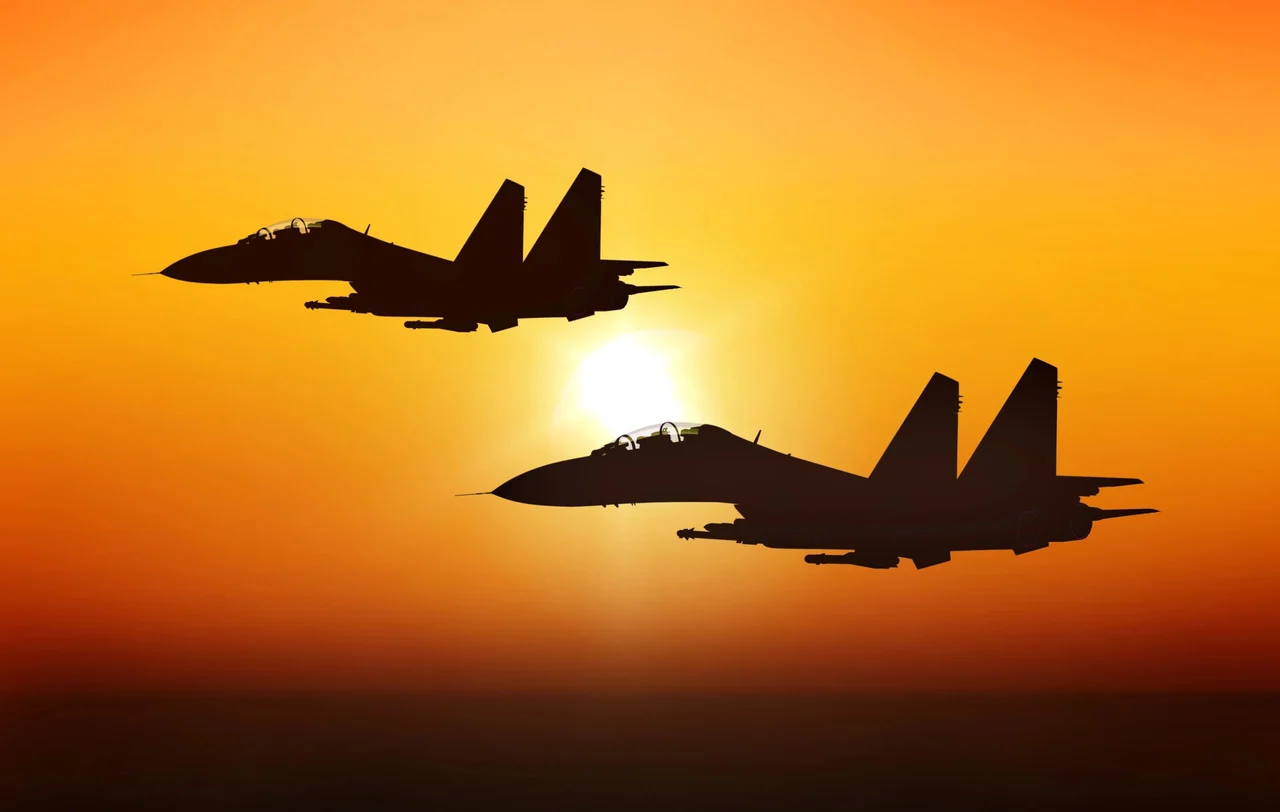
The new US attack in the Strait of Hormuz reactivates the military front as Washington also tries to pressure Iran through economic sanctions.
The United States has again attacked Iranian targets, about a month after the previous attack, destroying two platforms that, according to CENTCOM, could launch rockets loaded with sea mines.
The attack occurred on the Iranian island of Larak and used drones, according to a US official quoted by CNN and reported by EFE.
CENTCOM maintained that the mines posed an «imminent threat» to navigation in Hormuz. Iran described the US operation as an act of aggression.
The economic question now is how much a bill that already runs into tens of billions of dollars could increase.
The Center for Strategic and International Studies (CSIS) estimated in June that the additional cost of the Iran war for the Pentagon was around $40 billion.
This estimate includes deployments, ammunition, operations, equipment losses, damage to bases, and higher fuel costs.
The US military has struck two Iranian rocket launchers on an island in the Strait of Hormuz, after which Tehran swiftly retaliated by firing missiles at Jordan. https://t.co/ZMxUACW07I pic.twitter.com/n4u3qY8FvJ
— Financial Times (@FT) August 31, 2026
The future cost will depend mainly on the intensity of the attacks and Iran's response.
During the first days of the Iran conflict, the use of expensive missiles drove up spending. CSIS estimated $11.3 billion during the first six days.
Later, the daily cost decreased because Washington used cheaper ammunition and Iranian attacks lost intensity.
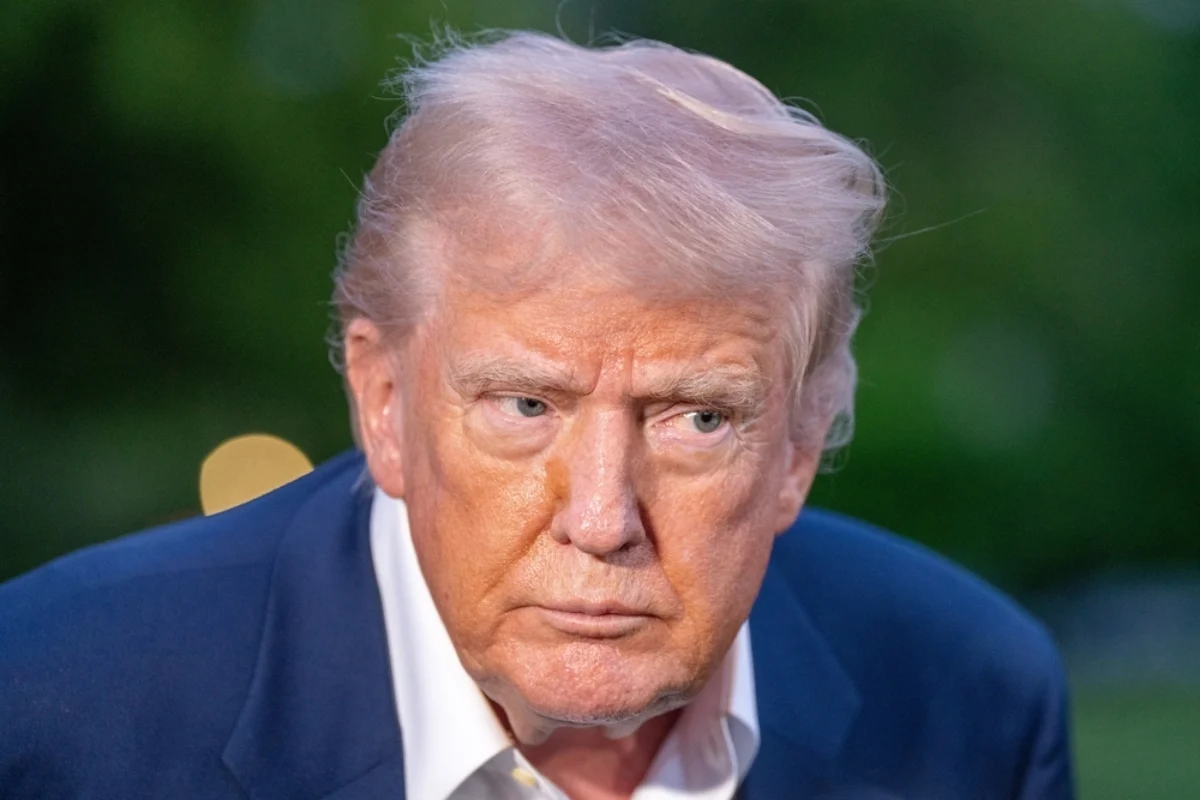
Trump is now combining military attacks with sanctions aimed at limiting Tehran's income and financial operations.
This two-pronged approach can also make a negotiated exit more difficult after the collapse of talks described by EFE.
🚫CLAIM: Iran’s Islamic Revolutionary Guard Corps (IRGC) claimed in a recent statement that strikes by U.S. forces to prevent the IRGC from placing mines in the Strait of Hormuz were an “act of aggression.” This claim is absolutely FALSE.
✅FACT: U.S. forces took limited,… pic.twitter.com/XLx8xNTHto
— U.S. Central Command (@CENTCOM) August 31, 2026
The Strait of Hormuz connects the Persian Gulf to international markets and is one of the world's most important oil corridors.
Before the strong disruptions of the Iran conflict, more than 20 million barrels of oil circulated through it daily. During the second quarter of 2026, the flow fell to 4.9 million.
The EIA reported that Brent reached $118 per barrel in April and again rose to $105 in July amid new tensions over maritime routes.
The duration of the conflict remains uncertain. The determining factor will be whether the attacks remain limited or become a sustained military campaign.
The new US attack on Iran reactivates the risk of a longer and more expensive war.
You may be interested in: Trump's Economic War on Iran Puts China in the Crosshairs
SOURCE: EFE / Truth Social