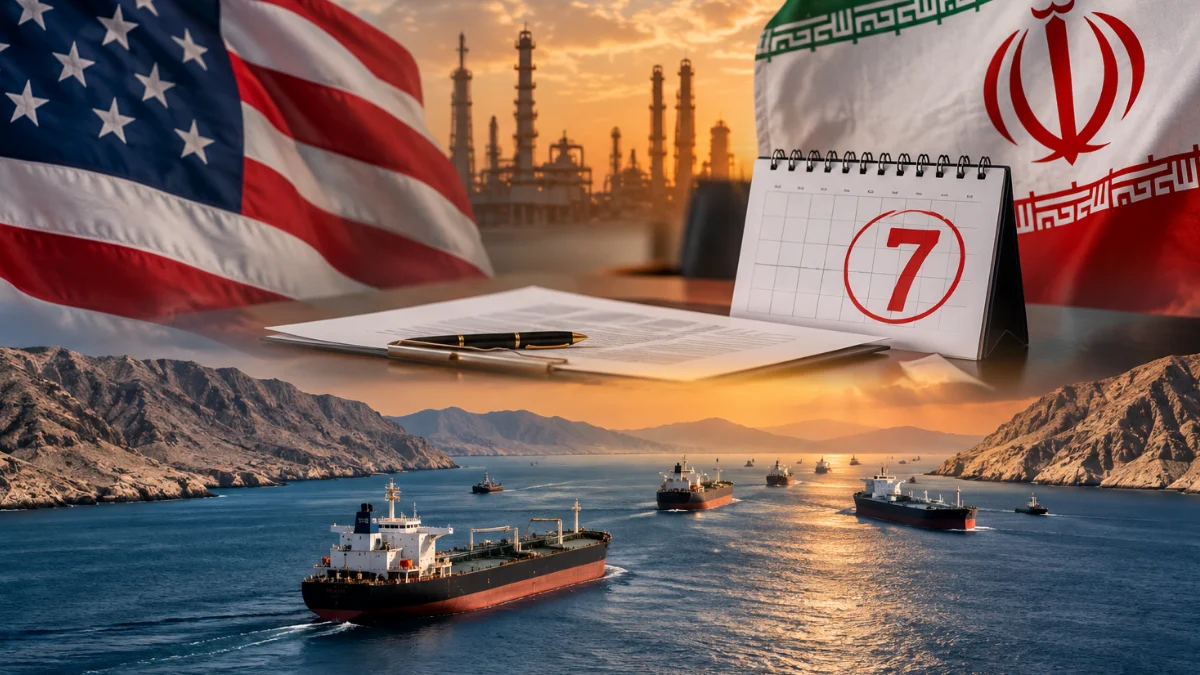
Iran is proposing a 7-day truce, economic relief, and a reopening of the Strait of Hormuz as part of a new diplomatic plan.
Washington has not accepted the proposal and could reject it or seek changes to its terms.
Iran has proposed to the United States a seven-day ceasefire plan that could lead to the reopening of the Strait of Hormuz and renewed negotiations, according to EFE.
Why it matters: The proposal creates a possible diplomatic path, but it requires significant concessions from Washington and does not yet constitute an agreement between the two governments.
Masoud Pezeshkian denies that Iran wants a nuclear bomb. «Absolutely not. Absolutely not,» replied the Iranian president, who stated that a religious decree by the supreme leader prohibits nuclear weapons. https://t.co/xw8q4xFxXj
— El Nuevo País (@ElNuevoPais2026) September 25, 2026
Iranian Foreign Minister Abbas Araghchi said Tehran is prepared to begin implementing the plan as soon as Washington accepts it.
The proposal revives elements of a memorandum of understanding signed by the two countries in June but compresses the timeline and changes the sequence of steps.
During those seven days, hostilities would also stop on all fronts, including in Lebanon. Iran would reopen the Strait of Hormuz at the end of the seventh day.
The strait is one of the central elements of the proposal because its reopening would be tied directly to implementation of the seven-day plan.
Recent talks had already focused on a possible phased agreement in which Iran would reopen Hormuz in exchange for reductions in U.S. economic and military pressure.
Araghchi has suggested that reaching an agreement before the November 3 U.S. elections would be preferable, although Iranian President Masoud Pezeshkian has also said Tehran's willingness to reach a deal is not dependent on the election calendar.
The Iran truce proposal comes as Iranian President Masoud Pezeshkian publicly denies that his government is seeking to develop a nuclear weapon.
Asked directly by Fox News whether Iran wanted a nuclear bomb, he replied: «Not at all. Not at all.» He also said Tehran would be willing to reduce enrichment levels and allow international verification.
The diplomatic opening contrasts with the confrontational public rhetoric from both governments. Trump has issued severe warnings toward Iran, while Pezeshkian says his country will not surrender under military or economic pressure.
Iran's proposal does not mean a US-Iran ceasefire is already in effect. For the seven-day timetable to begin, the United States would have to accept the terms or negotiate changes.
U.S. and Iranian officials have already held indirect talks through intermediaries during the UN General Assembly, although both sides continue to acknowledge major disagreements.
For now, the offer provides a concrete negotiating framework, but the central question remains unresolved: how much are Washington and Tehran willing to concede to turn it into an agreement?
You May Be Interested: Netanyahu Denies Gaza Genocide Allegations, Escalates Feud With Mamdani at UN
SOURCE: EFE / El Nuevo Pais