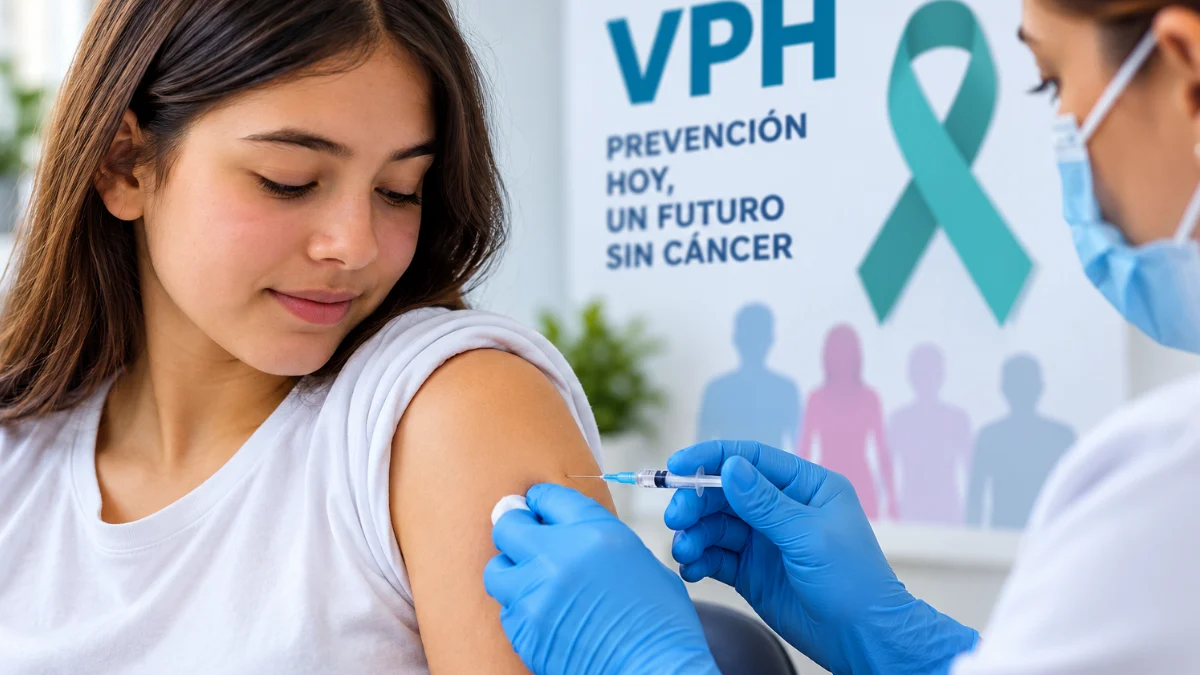
The return to school can also be an opportunity to review a task that often stays out of the backpack: the vaccination of children and adolescents.
Among the immunizations with a direct impact on cancer prevention, vaccines against human papillomavirus (HPV) and hepatitis B stand out.
Infectious disease specialist and clinical pharmacologist Jorge Chaverri recommended taking advantage of the new 2026-2027 school year to review vaccination schedules and strengthen preventive habits.
The recommendation is relevant because some infections acquired during a person's lifetime can remain silent and, years later, contribute to the development of serious diseases.
HPV Vaccine and Cancer Prevention: How Vaccination Can Reduce Risk – PHOTO: Shutterstock HPV is a very common infection that can be transmitted through intimate contact and affect people of both sexes, although many infections clear on their own.
The problem arises when certain high-risk types persist for years and cause cellular changes that can eventually develop into cancer.
According to the CDC, HPV can cause cervical, vaginal, vulvar, penile, anal, and oropharyngeal cancers, including cancers of the back of the throat.
U.S. data show the scale of the problem: each year, approximately 49,908 HPV-associated cancers are diagnosed, of which about 39,300 are attributable to the virus.
Chaverri highlighted the importance of early immunization because the goal is to prepare the body before exposure to the HPV types covered by the vaccine.
In the United States, the CDC routinely recommends vaccination at ages 11 or 12, although the series can begin at age 9.
Additionally, catch-up vaccination is recommended through age 26 for people who were not adequately vaccinated during childhood or adolescence.
For some adults ages 27 to 45, vaccination may be considered after discussing individual risks and potential benefits with a healthcare professional.
HPV Vaccine and Cancer Prevention: How Vaccination Can Reduce Risk – PHOTO: Shutterstock Being vaccinated also does not mean abandoning preventive check-ups, especially because some abnormalities can develop without producing symptoms for a long time.
«What happens is that most cancers really, if we wait for symptoms, we probably arrive late,» warned Chaverri.
In the case of cervical cancer, the CDC emphasizes the importance of screening even among vaccinated women because vaccination and early detection serve different purposes.
Hepatitis B offers another example of the link between immunization and cancer: its vaccine helps prevent infections that can cause chronic liver disease and liver cancer.
For Chaverri, schools and families can also contribute by creating spaces where parents, teachers, and students receive reliable information and can ask questions about vaccination.
Prevention, he said, should be complemented by balanced nutrition, exercise, regular check-ups, and open family conversations about health.
Thus, a vaccine administered during childhood or adolescence can represent something much greater than fulfilling a preventive requirement: reducing the risk of certain cancers decades later.
Warning: This information is for educational purposes and does not replace the evaluation or recommendation of a healthcare professional.
You May Be Interested: 10 Signs of Low Testosterone in Men That Are Easy to Overlook
SOURCE: Listín Diario / Diario Núcleo / El Liberal