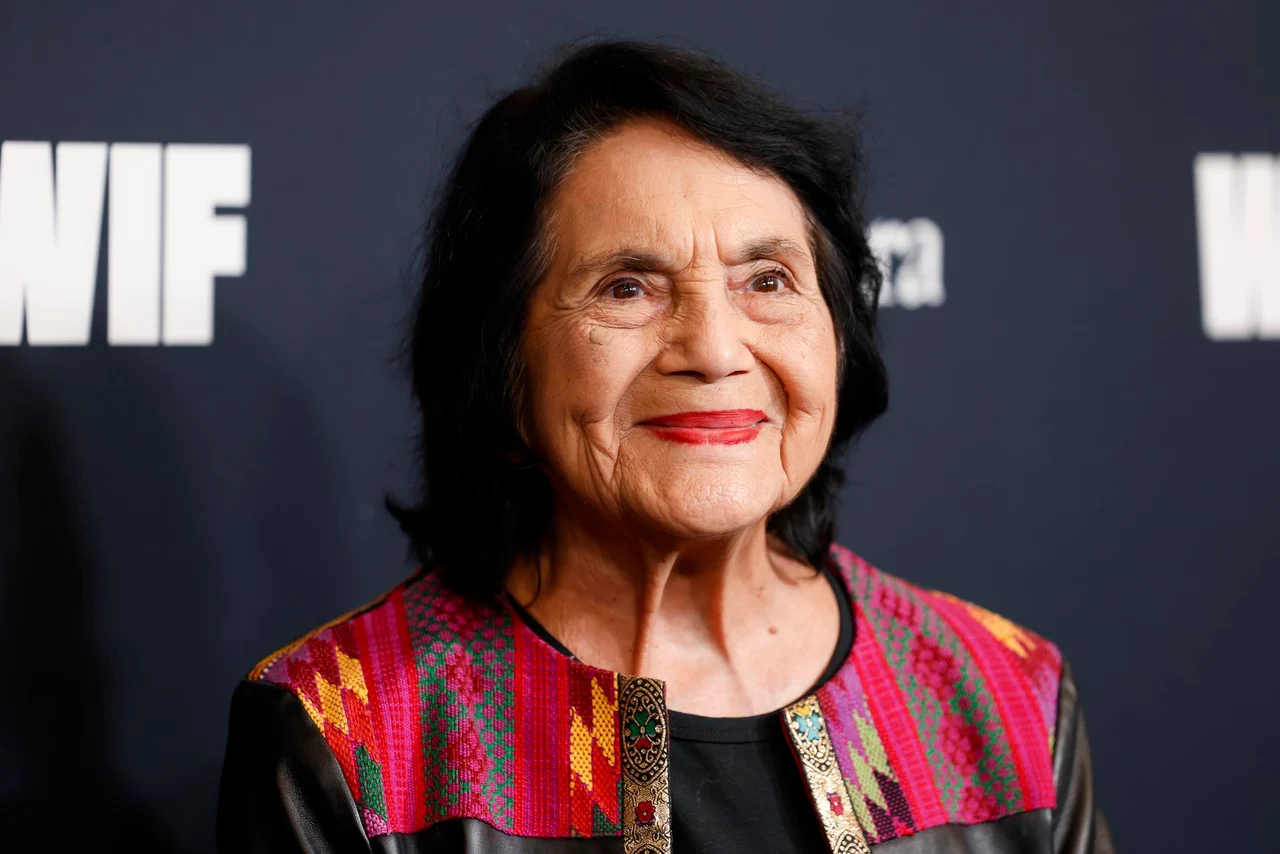
Dolores Huerta, one of the most influential advocates for farmworkers' rights in the United States, died Wednesday, October 28, at age 96, her family announced in a statement reported by EFE. Her death was also confirmed by major US news outlets, including ABC News.
«With deep sadness, we announce that our beloved mother, Dolores Huerta, has passed away today at the age of 96,» her family said, requesting privacy as they mourned her loss.
Family spokesperson Erik Olvera said Huerta died of cancer, according to statements given to The New York Times and cited by EFE. Her family announced that plans to honor her life and legacy would be shared at a later date.
BREAKING: Labor leader, feminist and civil rights icon Dolores Huerta has died at 96. https://t.co/zIVZ5qLKKf https://t.co/jjN9if7jSM
— The Associated Press (@AP) October 28, 2026
Huerta was born in Dawson, New Mexico, in 1930 and grew up in California after moving there with her mother during childhood. Her Mexican, Spanish, and Indigenous heritage formed part of her background as she pursued a lifelong commitment to civil rights.
Her father, a labor activist who later became a state legislator, influenced her early development. In the mid-1950s, she joined the Community Service Organization, which worked to support Mexican American communities.
Through that organization, she met César Chávez, with whom she co-founded the organization that eventually became the United Farm Workers (UFW) in 1962. Together, they fought to improve working conditions for farmworkers and their families.
One of her most significant achievements was helping organize the nationwide grape boycott. Those efforts contributed to the passage of a 1975 California law recognizing farmworkers' rights to organize unions and engage in collective bargaining.
Dolores Huerta Dies at 96: Cause of Death, Legacy and Obama's Tribute – 1. Dolores Huerta received the Presidential Medal of Freedom in 2012. Credit: EFE. «Dolores Huerta was a heroine to me,» Barack Obama wrote on X, according to EFE. The former president praised her advocacy for marginalized communities and recalled that she coined the slogan «¡Sí, se puede!» (Yes, we can), which he later adopted during his presidential campaign.
Kamala Harris described Huerta as «an engine of change,» while California Governor Gavin Newsom said, «She's a legend… and we're going to miss her.» Nancy Pelosi also praised Huerta's ability to inspire collective action.
The United Farm Workers union also mourned her death. Its president, Teresa Romero, emphasized that Huerta's work «remains relevant,» while organizations including LULAC and Voto Latino pledged to continue her fight.
The Congressional Hispanic Caucus echoed that commitment: «Dolores, your legacy is our responsibility. Your struggle continues through all of us who believe in a better future.»
During a protest in Phoenix, Arizona, in 1972, Huerta coined the slogan «Sí se puede» (Yes, we can). Although it was incorrectly attributed to Chávez for decades, the phrase became one of her most enduring contributions to the labor and civil rights movements.
In 2012, Barack Obama awarded Huerta the Presidential Medal of Freedom, the highest civilian honor in the United States. The then-president acknowledged that he had «borrowed» her slogan for his successful 2008 presidential campaign.
Huerta also served on the US Commission on Agricultural Workers from 1988 to 1993. In 1993, she was inducted into the National Women's Hall of Fame.
A decade later, she founded the Dolores Huerta Foundation to strengthen advocacy for essential workers and their families. Her activism also included encouraging Latino voter participation and greater political engagement within the community.
In March 2026, Huerta publicly disclosed that César Chávez had sexually abused her during the 1960s and that two of her children were born as a result of those encounters, according to EFE.
The civil rights activist explained that she had remained silent for more than six decades because she feared the revelations could damage the farmworker movement to which she had dedicated her life.
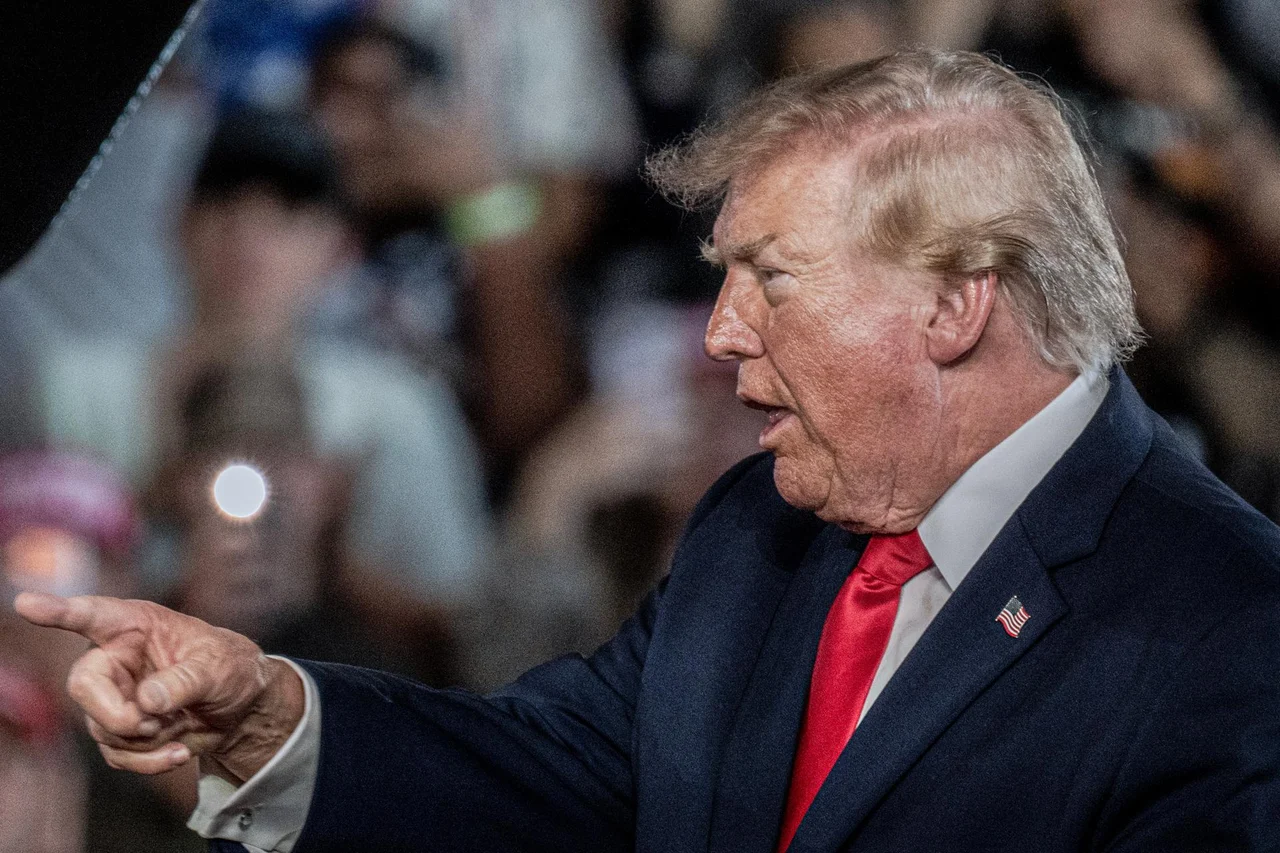
In her later years, Huerta supported Democratic candidates, including Kamala Harris during the 2024 presidential election. She also criticized Donald Trump's immigration policies and the separation of migrant families under his administration.